Perspectives
The state of the gas value chain
Black & Veatch combines strategic insight with real-world EPC experience, helping clients understand the implications of their choices and shape strategies built to move from decision to delivery.

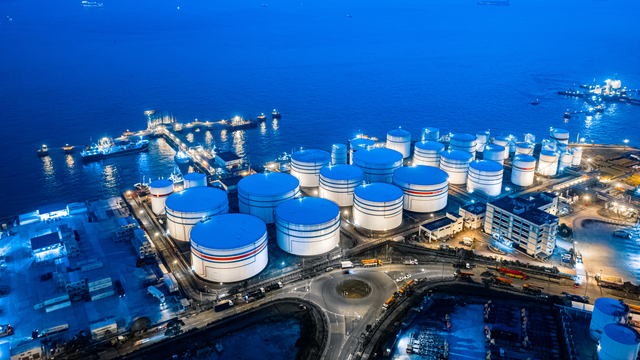
Energy infrastructure investment across the Gulf Coast is entering a new chapter. Liquefied natural gas (LNG) development and rising power demand are driving a new wave of energy infrastructure projects, with industrial expansion and carbon management adding pressure on systems already in service.
That presents operators with a practical question: How much new infrastructure will the next growth cycle actually require, and how much additional demand can existing assets support through targeted improvements?
Answering that question requires operators to connect regional demand forecasts with asset condition, power and water availability, permitting requirements and long-term operating plans. Together, those factors help determine where a targeted improvement is enough and where new infrastructure is justified.
Several demand drivers are moving across the Gulf Coast at the same time. LNG and industrial expansion require new or expanded capacity, rising electricity demand is placing additional pressure on power systems, and carbon management projects introduce new transportation, utility and permitting requirements.
These drivers are connected. Gulf Coast LNG projects can change power and water needs well beyond the facility itself, and permitting timelines shape how quickly the supporting infrastructure can follow. For operators, the planning question extends beyond where growth is occurring. It includes what that growth will require from regional power, water, transportation and environmental infrastructure, as well as what existing facilities can reliably support.
Growth does not automatically require a new facility or full system replacement. Existing infrastructure may be able to support additional demand through targeted upgrades that relieve specific constraints, improve reliability or extend useful life.
That makes prioritization the starting point. Asset condition, remaining life, capacity and operational criticality should be considered together before deciding whether to improve, expand or replace infrastructure. The objective is to match the scale of the investment to both the current constraint and the role the asset is expected to play in future operations.
Whether operators expand existing assets or pursue new development, power, permitting and water can become investment gates long before construction begins. Power availability may determine how quickly a facility can expand, while existing electrical systems may require upgrades to accommodate new loads. Permitting pathways can affect scope and schedule before final engineering decisions are made.
Water should be evaluated with the same level of attention. For Texas energy infrastructure in particular, water availability and long-term water needs can shape project feasibility, and treatment or reuse strategies can change the infrastructure a future operation requires. Black & Veatch's environmental and permitting specialists work alongside our engineers to bring these factors into planning from the start, so meeting one capacity need doesn't create a new problem downstream.
Evaluating these constraints early helps determine whether an existing asset can be adapted, whether supporting systems need to be expanded or whether a larger infrastructure investment is justified.
Oil and gas operators are navigating aging infrastructure, evolving regulations, rising reliability expectations and emerging technologies, often under pressure to do more with what's already in place.
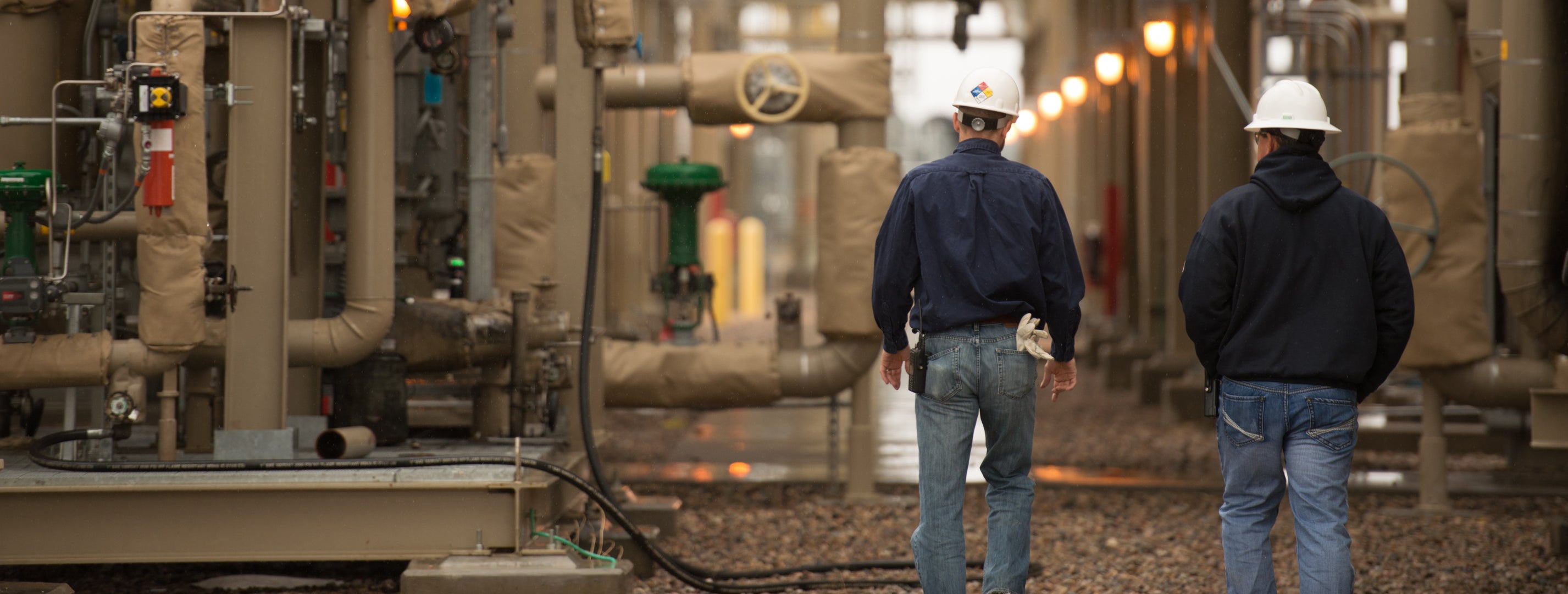
An upgrade that clears an immediate bottleneck may create value now, but its long-term return depends on the asset's condition, remaining life and role in future operations. In some cases, a targeted improvement can extend useful life and defer a larger capital project. In others, replacement or new development may provide greater value.
Knowing which case applies before capital is committed is what lets operators focus energy infrastructure investments where they create the most value. Performance monitoring and fitness-for-service assessments give decision-makers that clarity, grounded in how the asset is actually performing today.
Growth can place new demands on systems beyond the facility boundary. Electrical capacity, water availability, transportation connections and supporting infrastructure may become more critical as facilities expand or operating patterns change. Resilience planning should therefore consider how an investment performs as part of the larger infrastructure system, not only how individual equipment performs.
At the facility level, reliability engineering, outage planning and operational technology (OT) cybersecurity remain critical to maintaining operational continuity as assets take on additional load and become more connected. The strongest investment decisions address both levels, closing immediate reliability gaps while preparing the broader system for continued growth.
The Gulf Coast's next growth cycle will require both new infrastructure and smarter use of assets already in service. The opportunity for operators is to identify where targeted improvements can unlock capacity, extend asset life and address near-term constraints while reserving large-scale investment for the areas where regional growth truly requires it.
Black & Veatch brings experience delivering complex capital projects together with engineering, advisory, asset management and environmental capabilities across the full lifecycle. That perspective helps operators evaluate the complete range of options, from improving an existing system to developing new infrastructure, and match each investment to the operational need, regional constraint and long-term business case.