Utilities are investing billions in advanced technologies designed to create a more resilient, intelligent, and responsive grid. Advanced Distribution Management Systems (ADMS), Distributed Energy Resource Management Systems (DERMS), distribution automation, predictive analytics and self-healing capabilities all promise significant operational value.
Yet every layer of the modern grid depends on one fundamental requirement: an accurate understanding of the physical system itself.
Across our work with utilities throughout the United States, we frequently encounter GIS and asset records that are incomplete, outdated, lack sufficient detail or do not fully align with field conditions. These gaps are not unusual, but they can materially affect planning studies, engineering decisions, project execution and the performance of advanced grid technologies.
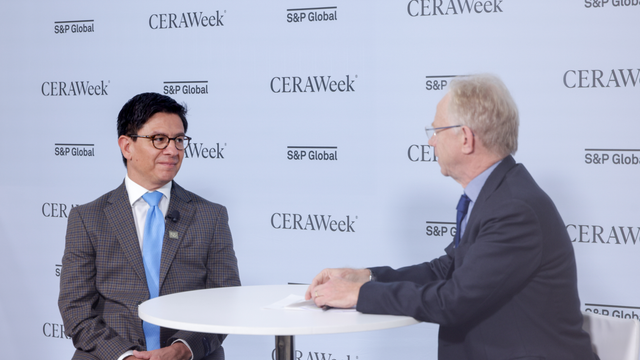
At the 2026 IEEE PES T&D Conference, Andrew Foster of Bird Electric, along with Daniel Anderson and Ben Schemensky of Black & Veatch discussed how accurate field data helps utilities modernize distribution systems, prioritize investments, improve resilience and create the foundation for future digital capabilities.
The central lesson was simple:
The path to a smarter grid begins with a trusted understanding of the physical grid.
Digital grid capabilities depend on a strong physical foundation
Many grid modernization conversations focus on advanced applications and operational outcomes. However, every digital capability ultimately relies on accurate information about the physical network.
Before utilities can automate switching operations, optimize voltages, integrate distributed energy resources or deploy self-healing grid capabilities, they must understand what assets exist, where they are located and what condition they are in.
When physical asset records do not accurately reflect field conditions, the impact extends far beyond data quality concerns. Engineering studies require additional validation, project development slows, operating models become less reliable and modernization initiatives become more difficult to execute.
Accurate physical data creates the foundation upon which every other modernization layer is built. When field observations are combined with operational performance, outage history, inspection findings, maintenance records, loading and weather exposure, they create a richer form of asset intelligence. This shared understanding connects planners, engineers, operators and construction teams and provides greater confidence in investment priorities and risk decisions.
Connecting the physical layer to better investment decisions
Grid modernization is not achieved through technology deployment alone. It begins with understanding how the existing system performs and where investments will create the greatest value.
Accurate field data helps utilities answer critical questions:
Which assets present the greatest reliability risk?
Where are vulnerabilities concentrated?
Which circuits are limiting operational performance?
Where should resilience investments be prioritized?
What upgrades are required before more advanced capabilities can be deployed?
Viewed through a grid modernization lens, physical asset intelligence becomes more than an inventory exercise. By combining observed condition with operational consequence, utilities can identify which poles, spans, devices and circuits warrant action first and which interventions are most likely to improve reliability and resilience. This intelligence helps utilities sequence investments across the physical, communications and operational layers of the grid.
It also provides a practical way to test whether modeled asset-risk scores align with real-world conditions. Even sophisticated asset management and investment-planning tools can produce misleading priorities when underlying records are incomplete, outdated or disconnected from what is observed in the field.
Creating a digital representation of the physical grid
Modernization requires more than collecting field data. It requires converting physical infrastructure into a trusted digital representation of the system.
Technologies such as LiDAR, high-resolution imagery, infrared sensing, mobile data collection and computer vision can help utilities build a more accurate picture of existing conditions. Combined with GIS and asset management platforms, these capabilities improve visibility into what is installed, where it is located and how it is performing.
The goal is not simply to create more data.
The goal is to create a digital foundation capable of supporting future operational capabilities.
From that foundation, analytics and AI can help translate trusted field and operational data into explainable, actionable recommendations. Their value is not in generating more outputs, but in improving decisions with appropriate confidence measures, performance monitoring, validation and human review.
Utilities should be able to answer five fundamental questions:
What is installed?
Where is it located?
What condition is it in?
What risk does it create?
What action should be taken?
Only when those questions can be answered consistently can utilities confidently build the digital and operational layers that follow.
Every layer of grid modernization depends on the one beneath it
Grid modernization is often discussed in terms of advanced software, automation and distributed energy integration. But none of those capabilities operate independently.
The operational layer depends on reliable communications. Communications depend on an accurate understanding of field assets. And all of it begins with the physical grid.
Utilities that invest in understanding and digitizing the physical layer create the foundation for more effective planning, stronger resilience, faster storm recovery and successful deployment of advanced grid technologies. Those that skip this step often find themselves investing in sophisticated digital platforms without the trusted field data needed to realize their value.
A smarter grid starts with a better understanding of the grid itself.