Top 3 reasons carbon capture projects stall and how to get them moving
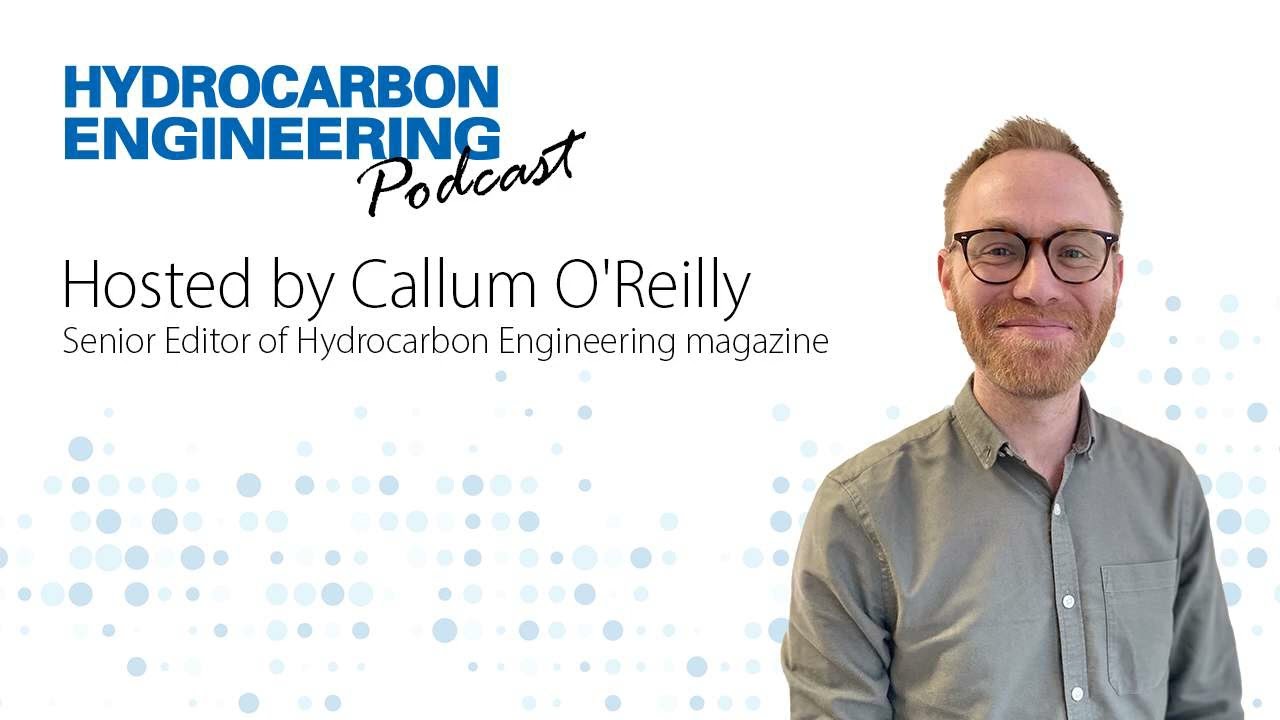
Black & Veatch’s Algert Prifti joins the Hydrocarbon Engineering podcast to discuss why carbon capture projects are stalling and what it takes to move them forward.
Meet the expert
Algert Prifti, CCUS solutions portfolio manager at Black & Veatch, brings more than 20 years of experience working alongside clients, developers, technology providers and financial partners with a focus on getting involved early to help carbon capture, utilization and sequestration projects progress from concept to successful execution.
What’s happening in the market
The carbon capture market is at a turning point. Momentum is building, resulting in commercial projects emerging in the United States, the United Kingdom and globally. The industry no longer doubts technical readiness for post-combustion carbon capture technologies and processes. Despite that progress, many projects are still struggling to move forward. Drawing on more than 30 years of expertise and more than 250 carbon capture projects globally, Black & Veatch sees three factors consistently emerging as the reasons projects are stalling in today's market, and each has a path forward.
Why CCUS projects stall
As Algert shares in the podcast, these three factors are:
Policy, funding and permitting uncertainty:
Shifting regulations and inconsistent incentives, particularly in the United States, make it difficult for developers to rely on long-term support. Without confidence in policy stability, companies hesitate to commit capital, delaying projects before they even reach final approval.
Unclear business case and market readiness:
Even when policy is supportive, developers still face questions around cost, scalability and long-term returns. If projects can't clearly demonstrate how they will generate value through defined costs and revenue streams, investors won't sign off, leaving projects stuck before final investment decision.
Limited experience to execute first-of-a-kind projects:
Many CCUS projects are complex, large-scale and still relatively new. Without proven execution expertise, projects face higher risk in engineering, construction and coordination which slows progress as teams work to fully define and de-risk delivery.
Together, these challenges continue to slow the path to large-scale, repeatable deployment. While momentum is building, projects still require the right conditions and partners to move forward.
When carbon capture projects stall, what’s next?
When execution risk becomes real, progress slows.
Black & Veatch helps turn stalled projects into forward motion.

Shift from pilot-scale to construction deployment
Carbon capture projects are steadily moving from pilot-scale testing to early commercial development, but many are still not fully there. Technology providers continue to refine performance through pilot and demonstration projects such as SLB Capturi recent pilot plant operations in Canada to ION Clean Energy’s operation at the Los Medanos power plant in northern California, helping build confidence in real-world applications. However, most projects today remain in the front-end engineering stage, working towards final investment decision (FID).
To reach that milestone, projects must fully define engineering scope, construction plans, materials, commercial agreements and overall costs. This level of detail is critical to identifying and mitigating risk early. Equally as important, aligning the right partners, from technology providers to contractors and financial institutions, under commercial agreements that can support execution. Without definition and coordination, projects often struggle to keep moving forward.
Where financial uncertainty slows progress
Even when carbon projects begin to move forward, many stall because the financial case is still difficult to fully secure. As highlighted in the discussion, developers must clearly define costs across the entire lifecycle, including initial build to long-term operations, to prove that projects can deliver reliable returns. At the same time, financial institutions require strong commercial guarantees and committed partners before considering a project "bankable.”
A critical part of building that business case is understanding the true cost of capture while evaluating available technology options objectively. Black & Veatch takes a technology-agnostic approach, helping clients identify what Prifti describes as "the best athlete to win the race" based on project-specific technical, commercial and operational requirements. To support those decisions, the company uses a levelized cost of CO₂ capture (LCOC) methodology that evaluates factors such as capture rates, total installed costs, utilities, consumables, long-term solvent supply and financing structure. This approach helps clients and project developers compare technology options and their impact to plant costs, understand lifecycle economics and strengthen project bankability.
This means project developers must not only select the right technology but establish clear revenue pathways such as CO2 offtake agreements and demonstrate confidence in execution. Until these financial and commercial elements are in place, projects can remain stuck in early development, unable to progress to financial investment decision.
Engineering capabilities you need to keep a CCUS project moving
Successfully advancing a CCUS project requires close collaboration across the board. Teams need to work together with technology providers, equipment suppliers and construction teams to develop and define the projects from conceptual phases all the way through execution. Key capabilities required through the lifecycle of projects include process and mechanical engineering, brownfield operations, construction and modular expertise, and permitting and environmental professionals led by strong project management.
Because many CCUS projects are still first-of-a-kind, they require strong teams with experience and knowledge. Organizations that can bring lessons learned from related industries, such as power generation and gas processing, help de-risk projects and keep them going. With the right technical foundation and coordinated approach, teams can better navigate complexity and get projects closer to successful deployment.
Closing the gap
These challenges are significant, but they are not the end. As Prifti explains, the key to keeping projects moving is to address these risks early before they become a barrier. At Black & Veatch, this means taking a front-end loaded approach, getting involved in early-stage planning and engineering to fully define scope, costs and execution pathways. By aligning technology providers, contractors, and financial partners from the outset and focusing on making projects "bankable," teams can de-risk delivery and move more confidentially toward FID.
Contact us
Looking for a partner in innovation?
Let's talk